There has been a loooong phase without any post here on dusjagr labs, sorry about that. Most of the recent activities have been either posted on project pages, such as the Hackteria | Open Source Biological Art or on my facebook/dusjagr. But of course a looooot has happend.... I just briefly describe some of the highlights below, put some links together and continue the tour. Sitting in a coffee in Hong Kong at the moment, reflecting back on the last couple of months, enjoying the local climate and looking forward for another intersting year, its hard to beat 2011 though!
How it started
 After having schemed and planned many activities for this year, i even got an award from Schaffhausen, my hometown, which allowed me to fund various activities last summer. So thanks to KulturRaum Schaffhausen for allowing this interesting times to really happen. Thus from May onwards, I officially started my World tour, beginning with a visit to Luzern, to do some lasering in the FabLab
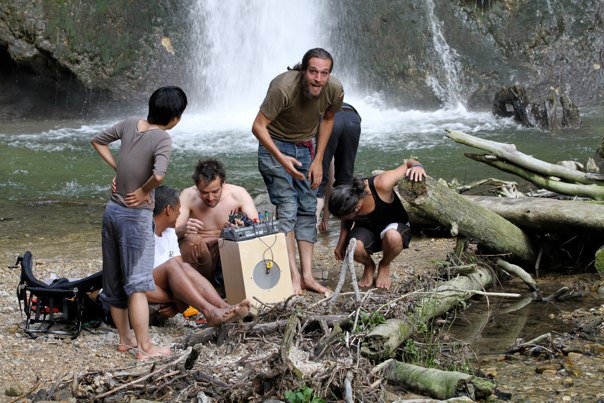
  ... start small, when your are on a world tour! Then further to Fribourg to visit anyma's research week, see some stuff on the hackteria site. And of course various visits to festivals for workshops, hanging out, networking, scheming etc... Mal-au-pixel in Paris, Festival für Angewandte Akkustik in Köln, a short visit to Touch Me Festival in Zagreb und poolloop in Zürich, for a nice SGMK OpenLab session...
HackteriaLab 2011 | Romainmotier / Zürich
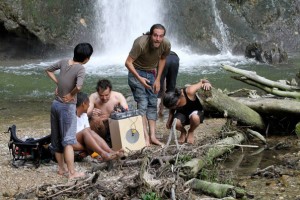 This event was definately the most important one of my activities this year. Loads of people involved, planning, organizing and enjoying it. See the hackteria website and wiki. The second international HackteriaLab took place this year at the 12th century monastery L’Arc in Romainmotier, Switzerland, from the 28th July to 4th August. Following on from the success of last year’s HackteriaLab at Dock18 in Zurich, this year we have invited around 30 artists, scientists, DIYers and hackers to spend a few days sharing skills, knowledge and expertise centered around the basic Hackteria idea. For the first time in a long time, the three Hackteria founders Marc, Andy and Yashas will be in the same place at the same time, along with some old faces and some exciting new ones.
BioCyberKidzz | Ars Electronica, Linz
 This year I got a double invitation, both for hackteria and for SGMK, from Ars Electronica for workshops with children during the U19 - Create Your World Festival for the Future Generation. So we started to call for more people to help on the workshop and ended up with a super international team of educators, artists, scientists and hackers from Slovenia, India, Germany and myself, wherever I am from.
Hackteria KitchenBioLab
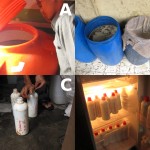
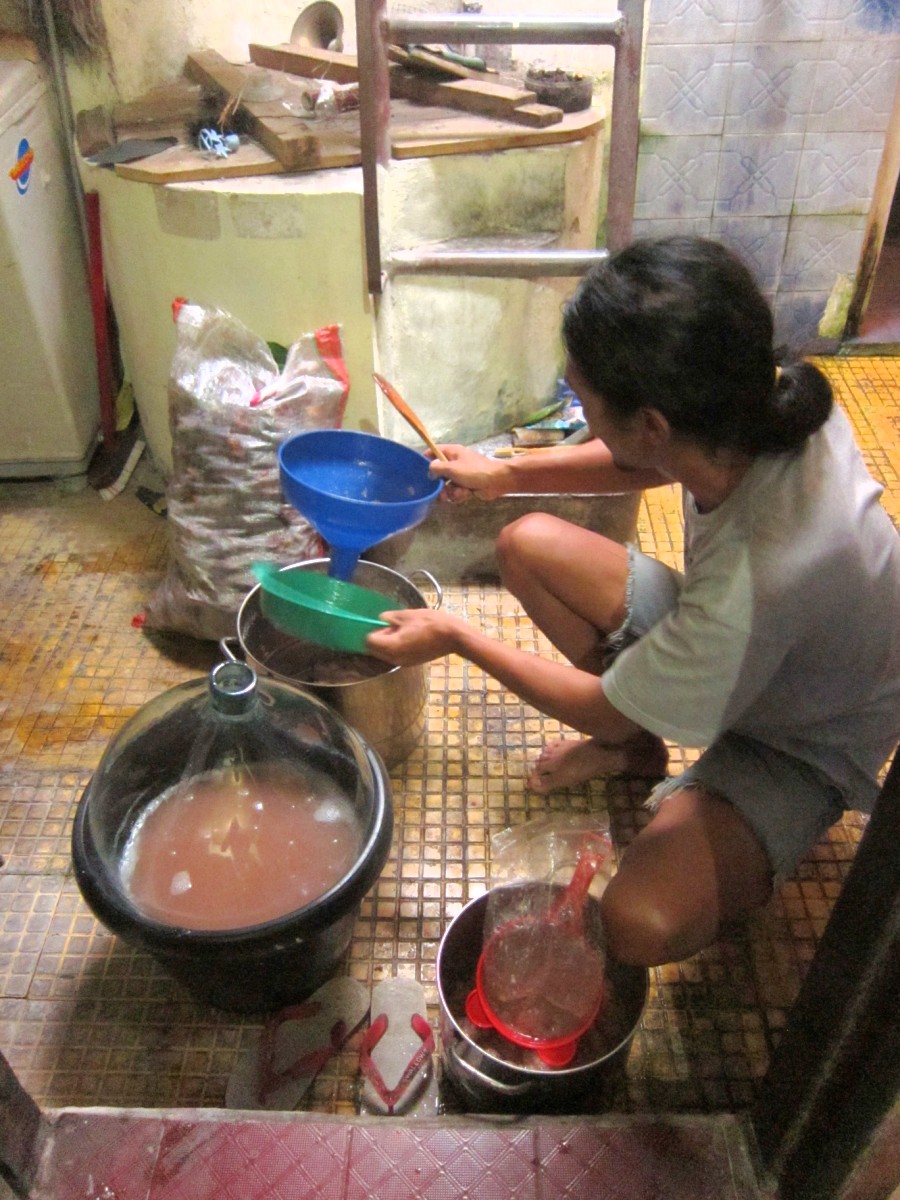
The Hackteria BioLab introduced the world of microorganisms to children or adults any age. At the end of the workshop they will be able to take home little amulet Petri dishes with their own “living†fingerprints, a yeast powered balloon or simple bio-accoustic ear amplifiers and many more. With this workshop we hope to emphasize that observing life is not just fun, but also takes time and patience.
Dowload, fold and view the review booklet here
DIY makeaway
And with this year's SGMK diy makeaway at Ars, we introduced two new workshops, Vive-la-Resistance developed by myself during NanoSmano, and the "Seifenschaumlicht" by Uwe Schueler and Joerdis Drawe.
KIBLIX Festival | Maribor
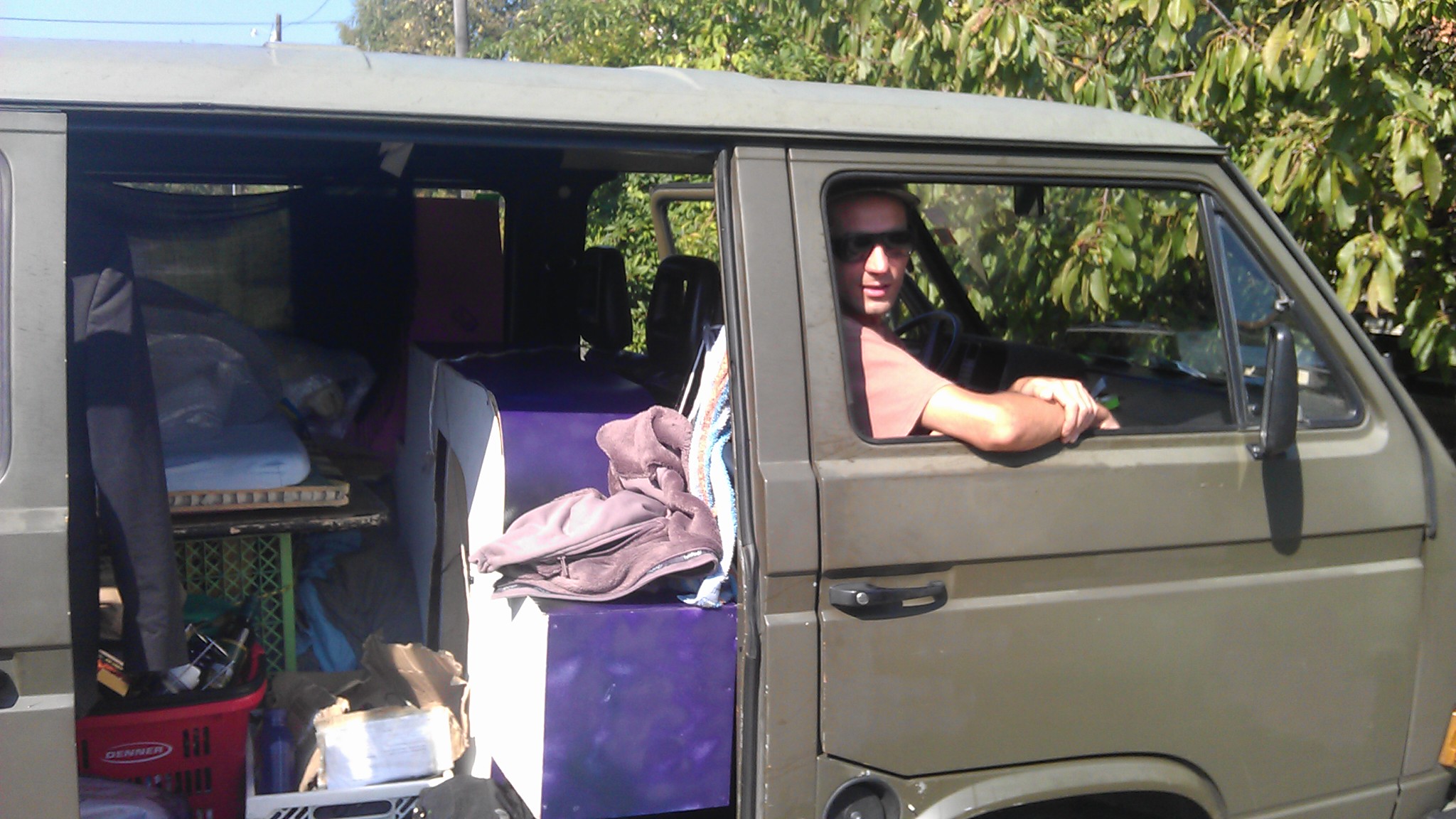
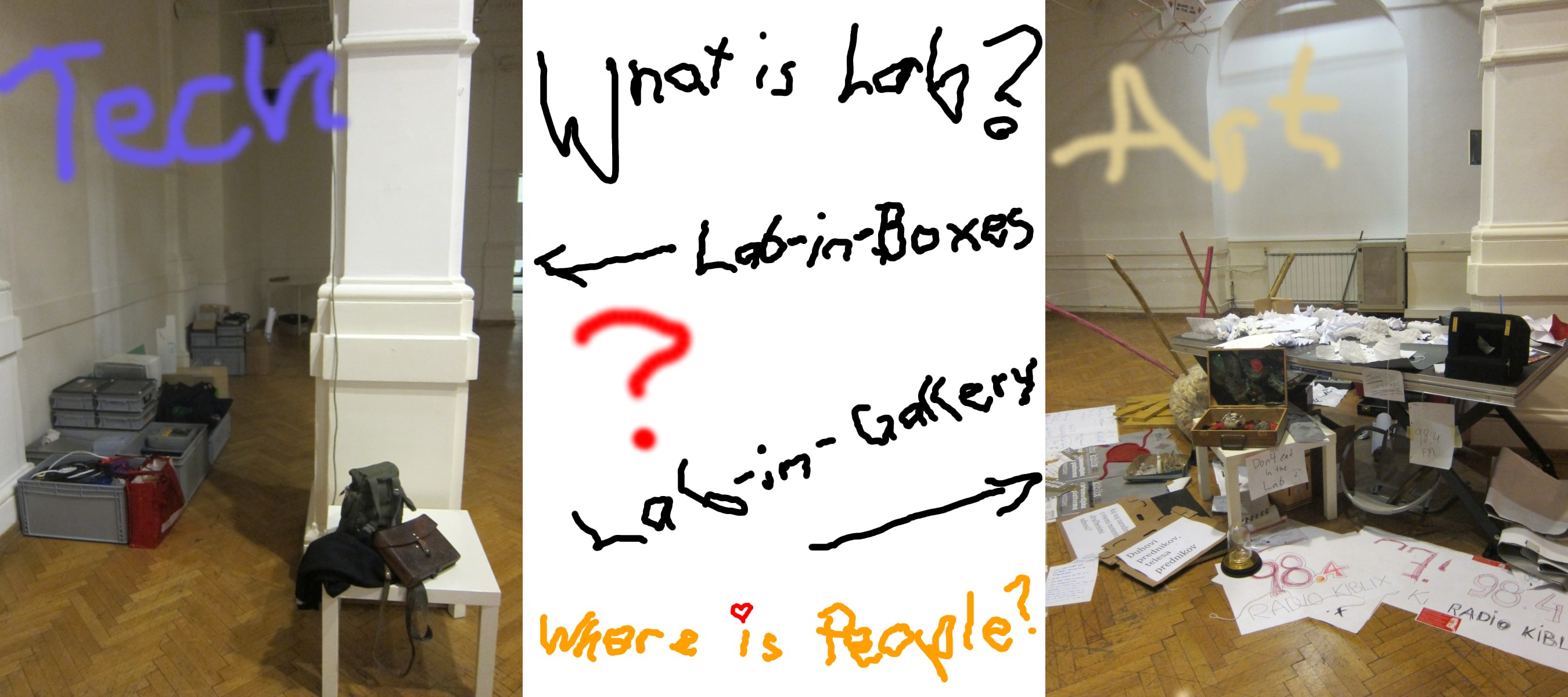
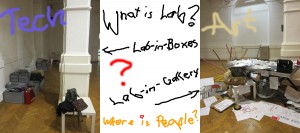 As an invited co-curator, together with Miha Horvath (son:da), Pei-Wen Liu and the Kibla team, we were happy to experiment with new format on how to run a festival. With the curatorial concepts of "Festival as a Laboratory" and "Festival as a Cultural Performance" we spent 2 weeks working together, making together, living together with more than 50 invited participants and many visitors from the region of Maribor - Slovenia - Balkans....
see more info on the KIBLIX 2011 wiki
It was a great experience, working with an international team, in another cultural environment, influenced by all our earlier activities and visits to festivals in various corners of the world and we are working now on a reflection on Festivalomics. Stay tuned...
... and then the World
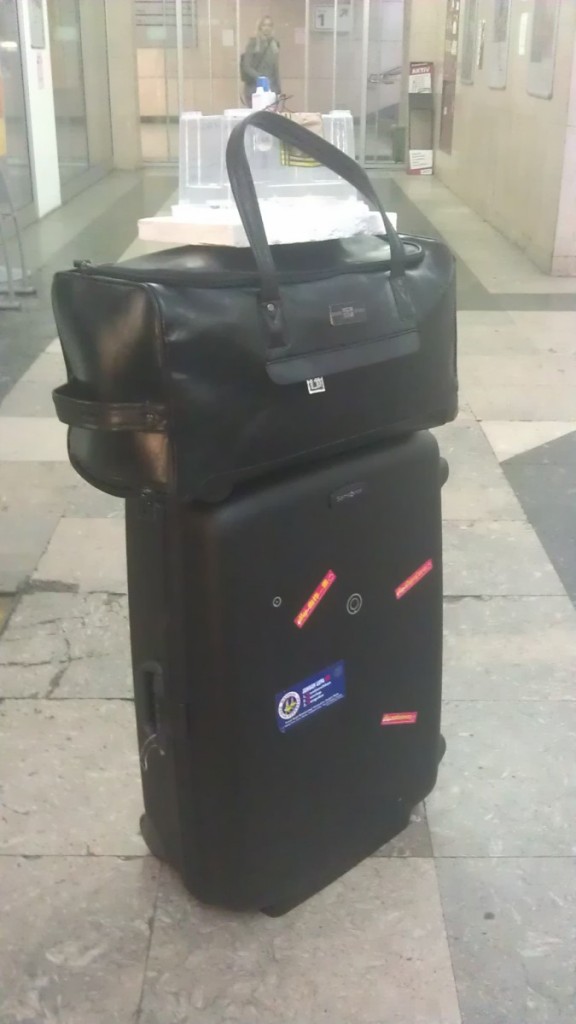
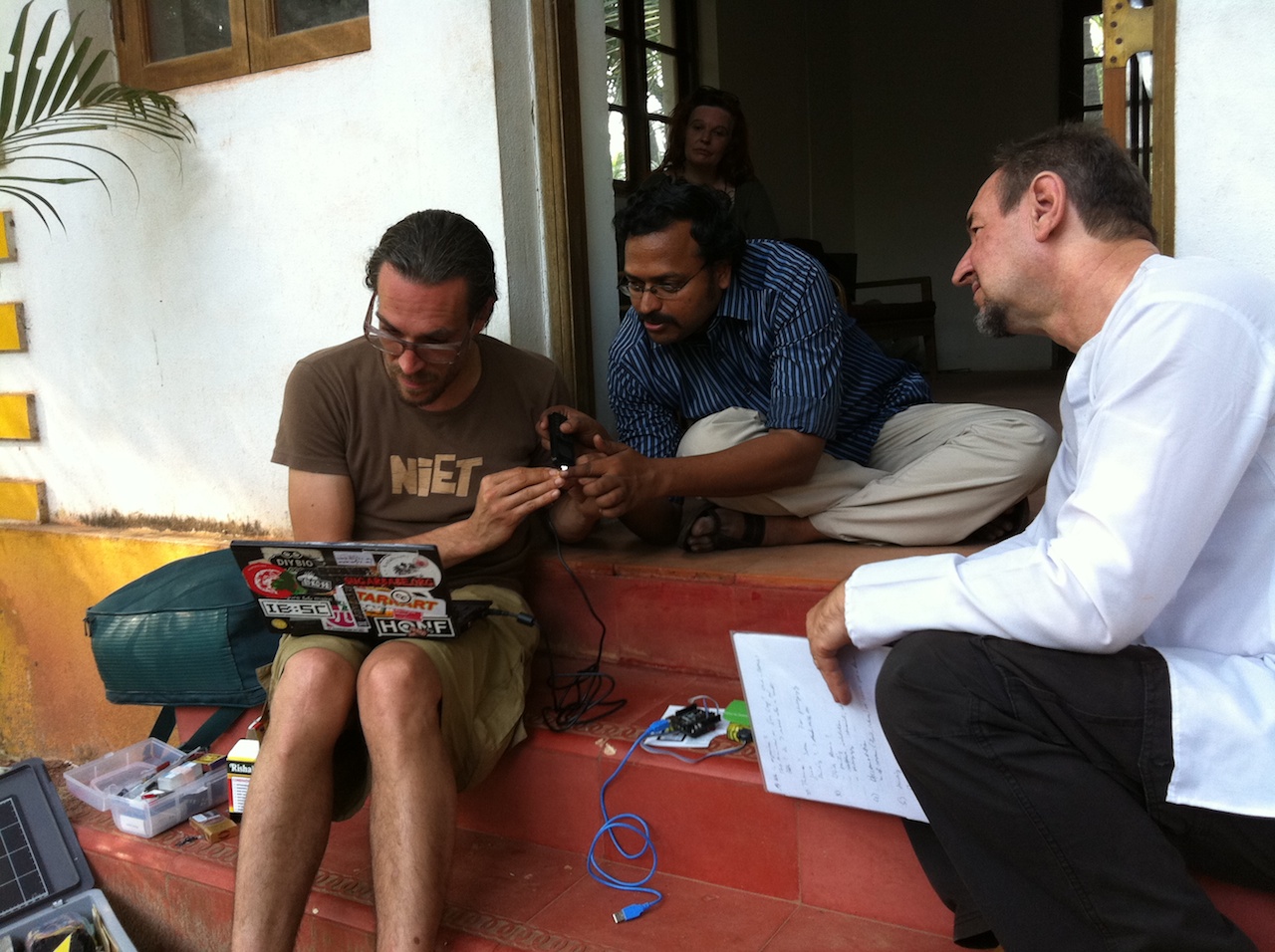
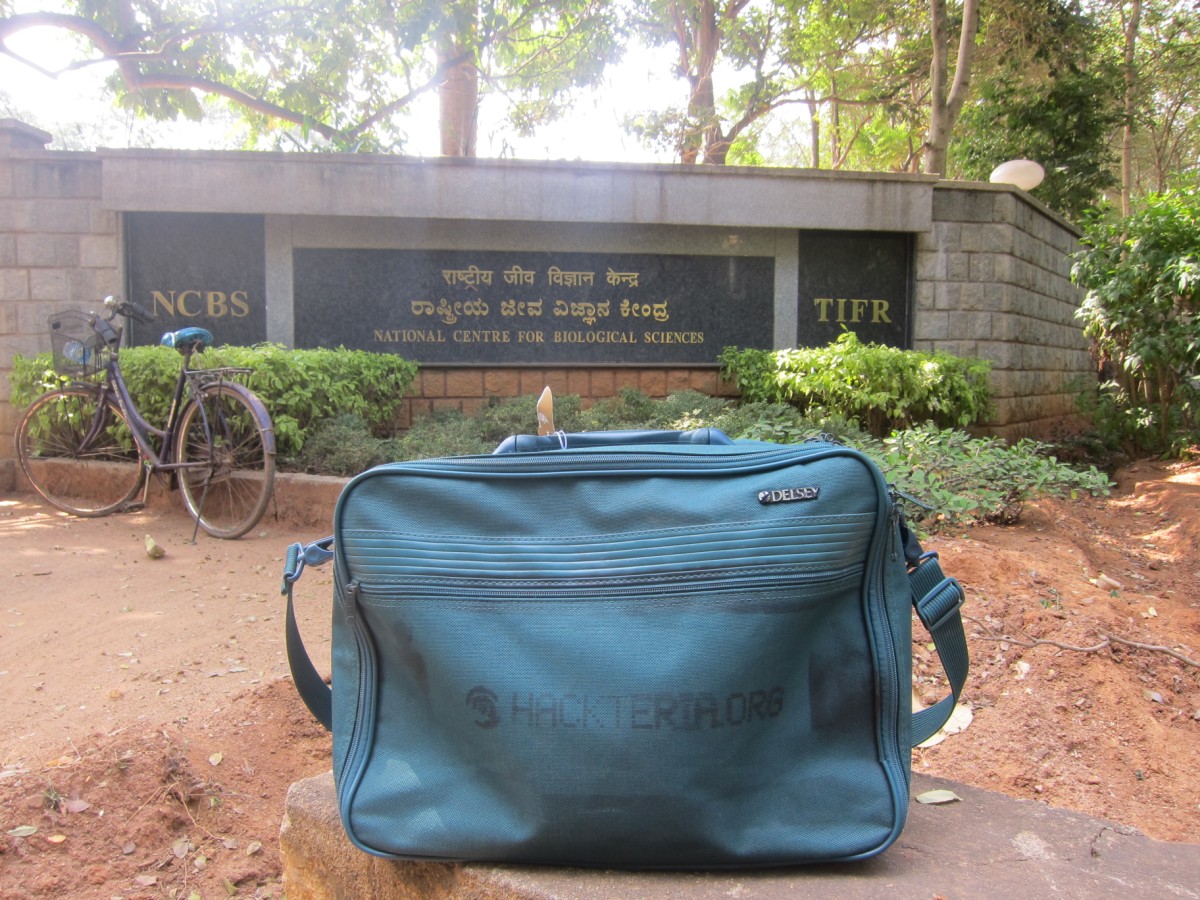
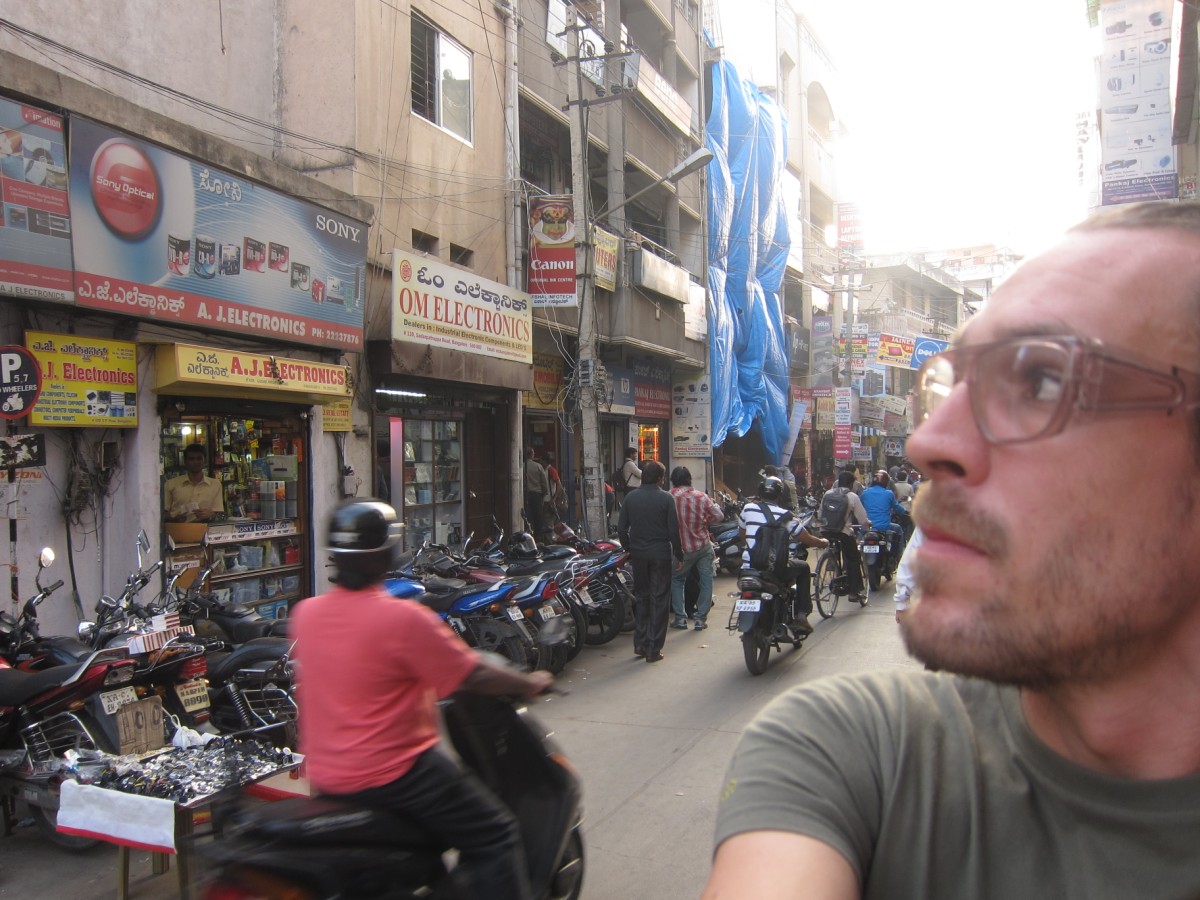
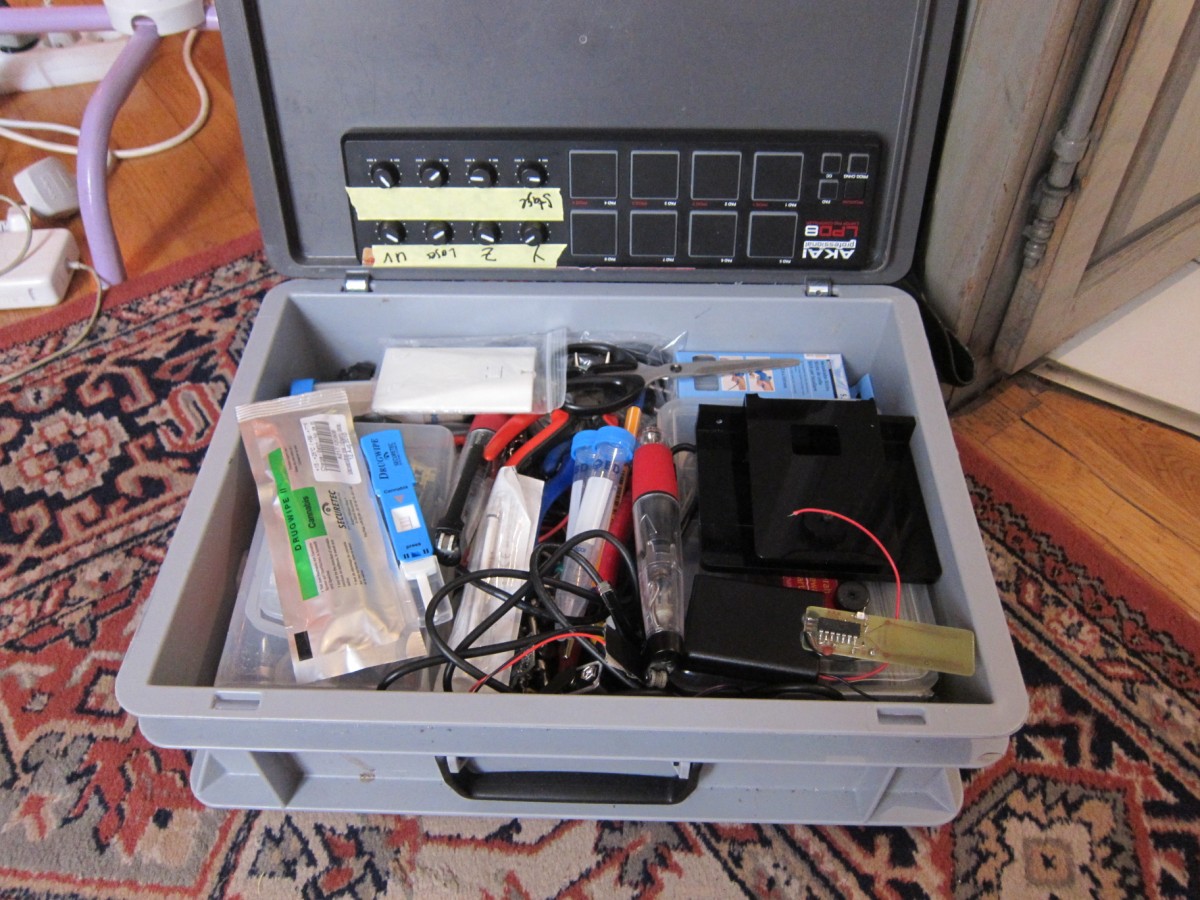
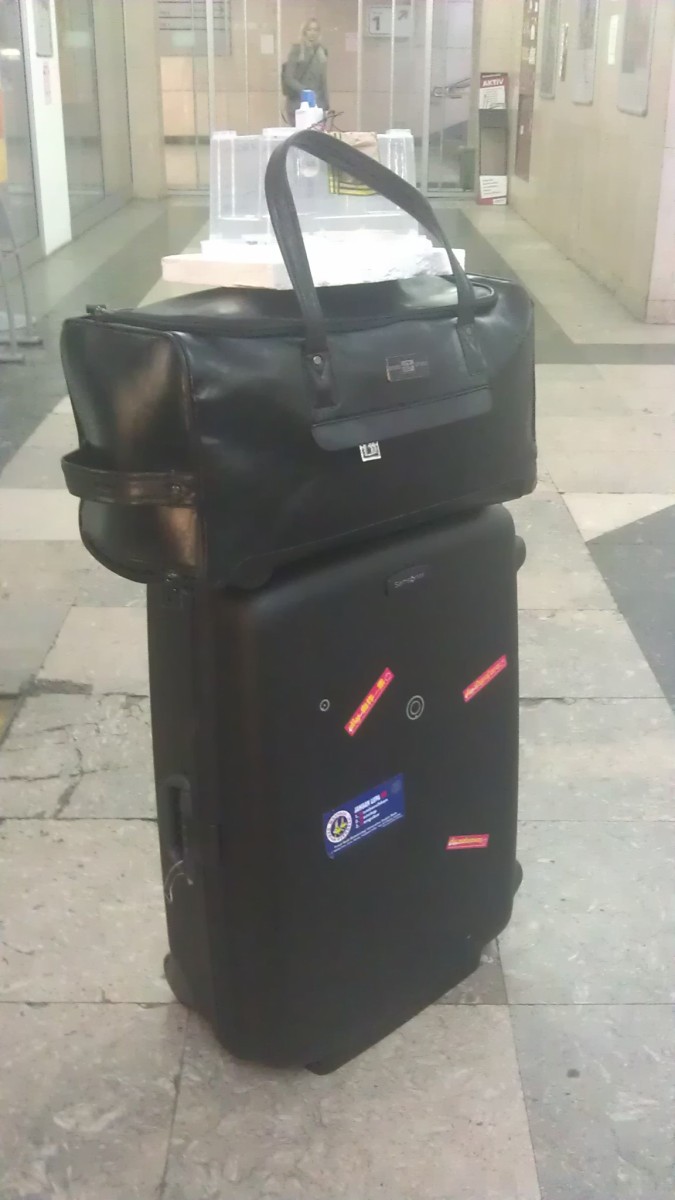
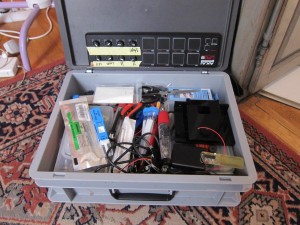
So I finally had to repack my luggage into a mobile BioHacker's Lab-in-a-Box into flight compatible mode. Heading off directly from Maribor to continue for workshops, meetings, shopping, visits, reflections and chill-out to Bangalore, Goa, Chengdu, Hong Kong, Shenzhen and Yogyakarta. More about these trips seperately.