Die letzten paar Wochen hat sich der Rütelmaa üüübel in den Putzwahn reingesteigert, nen neuen Ofen installiert, Küche renoviert und alles gestrichen. Merci!
Währendessen habe ich mich vorallem im neuen FabLab - Underes Ätzisloo / Randen mit 3D-Printern, BabyGnusbuinos und Kafi-Schnapps rumgeschlagen habe, Psychobillies und anderen Plastik-Kram geprintet.
This plugin does not have a valid Facebook access token. Please use your admin panel to login with Facebook.
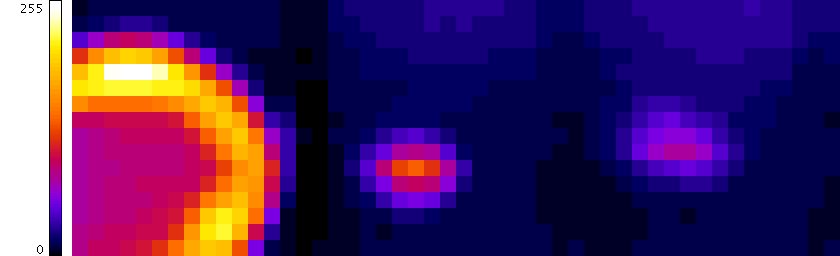
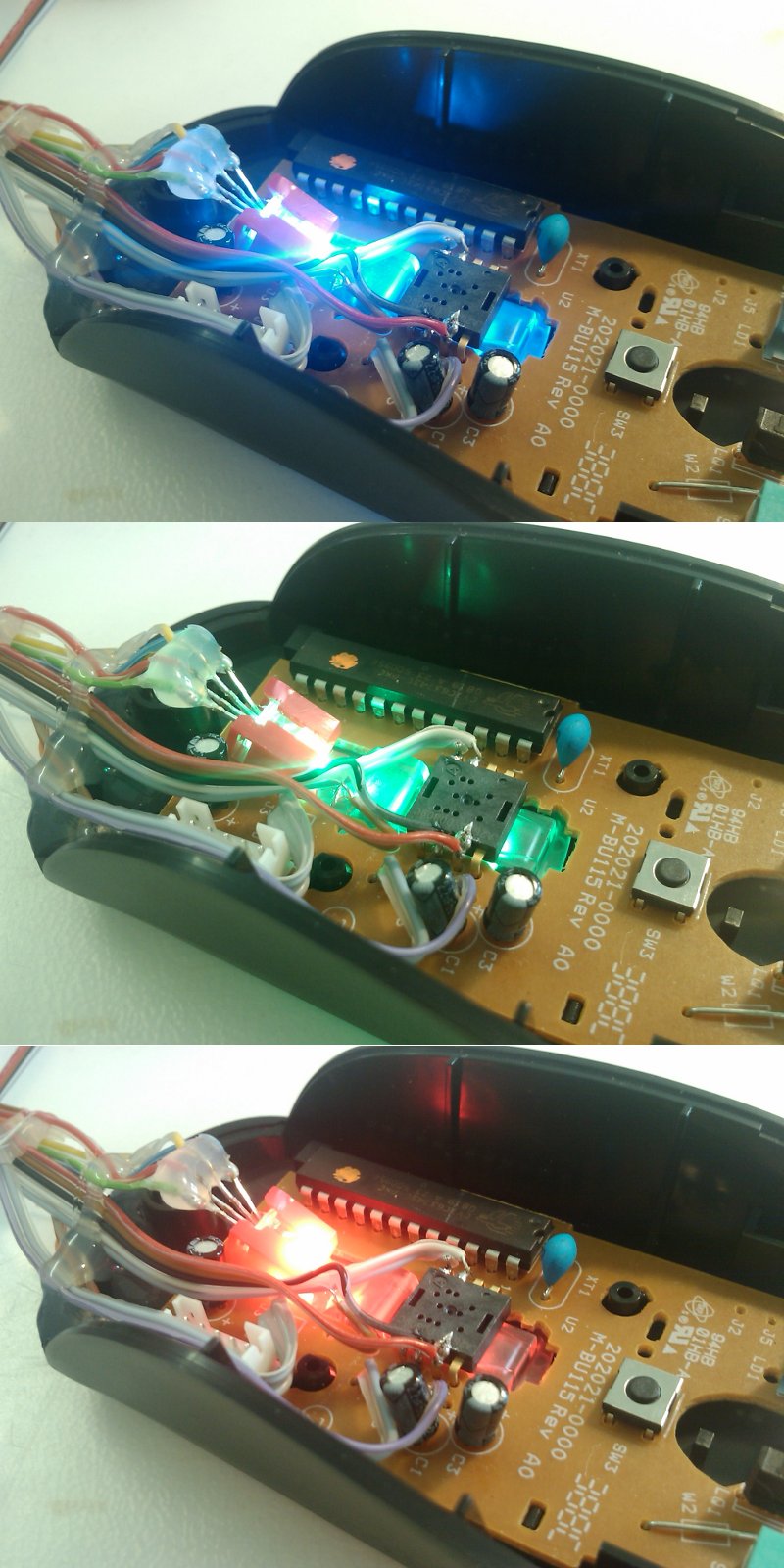
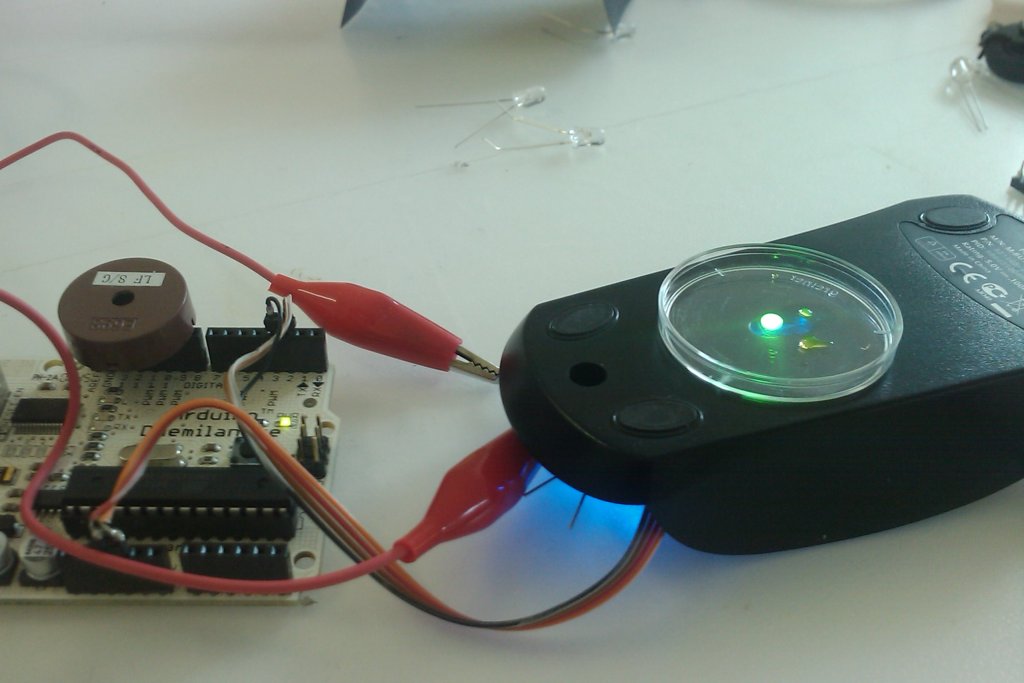
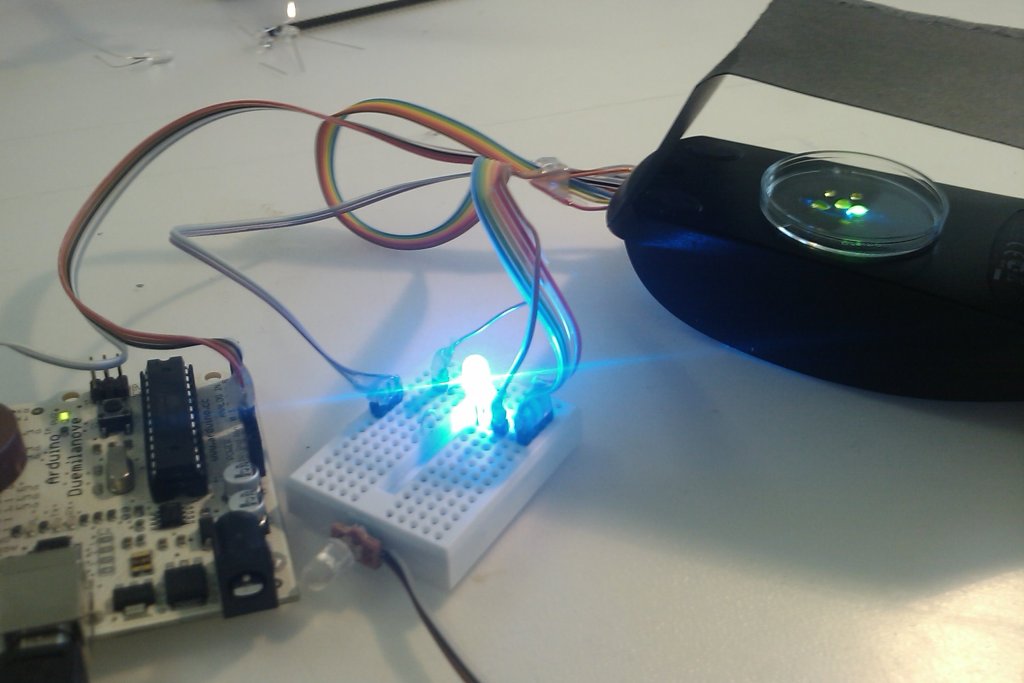
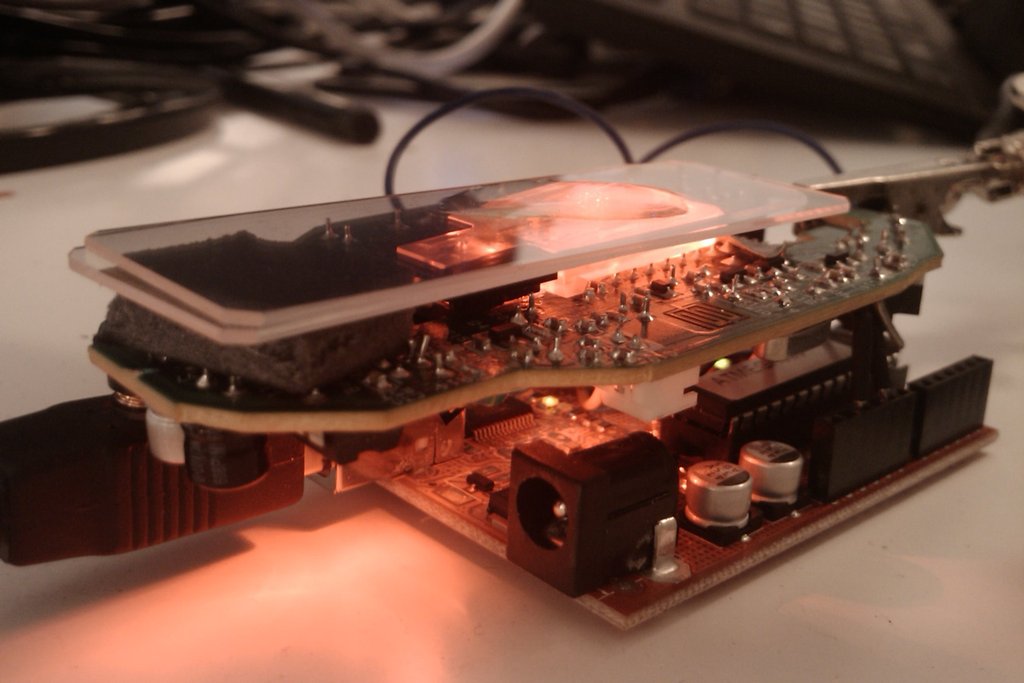
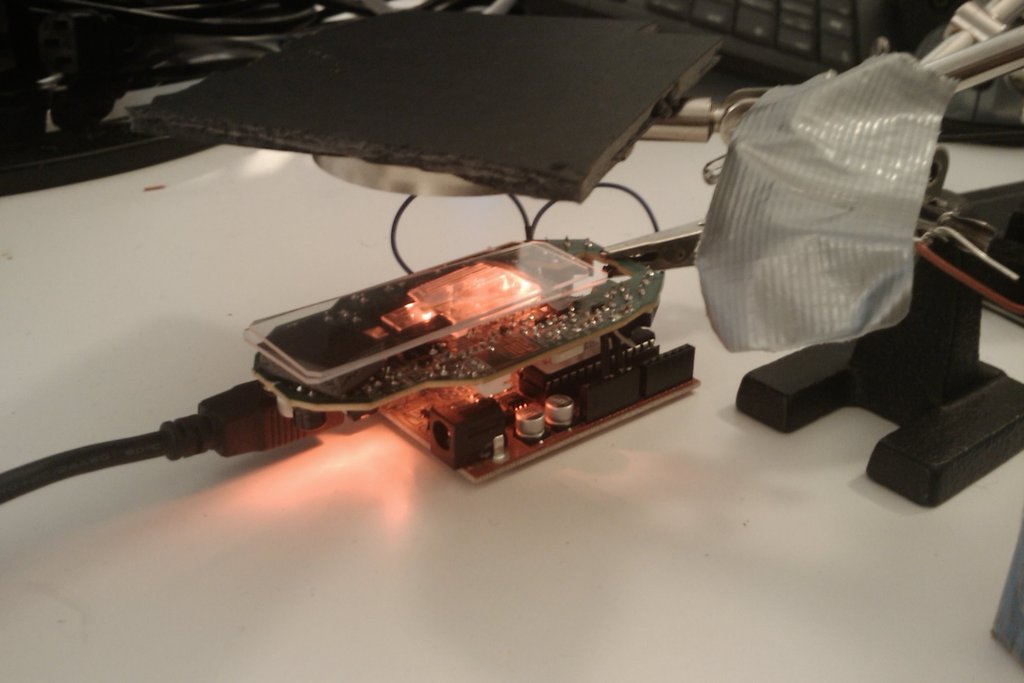
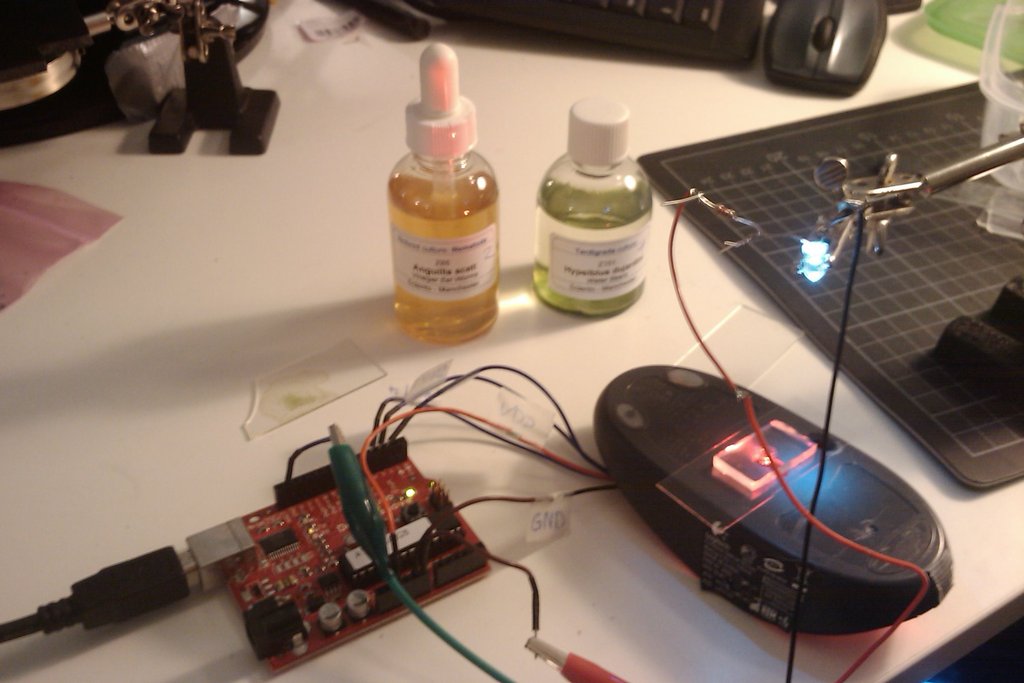
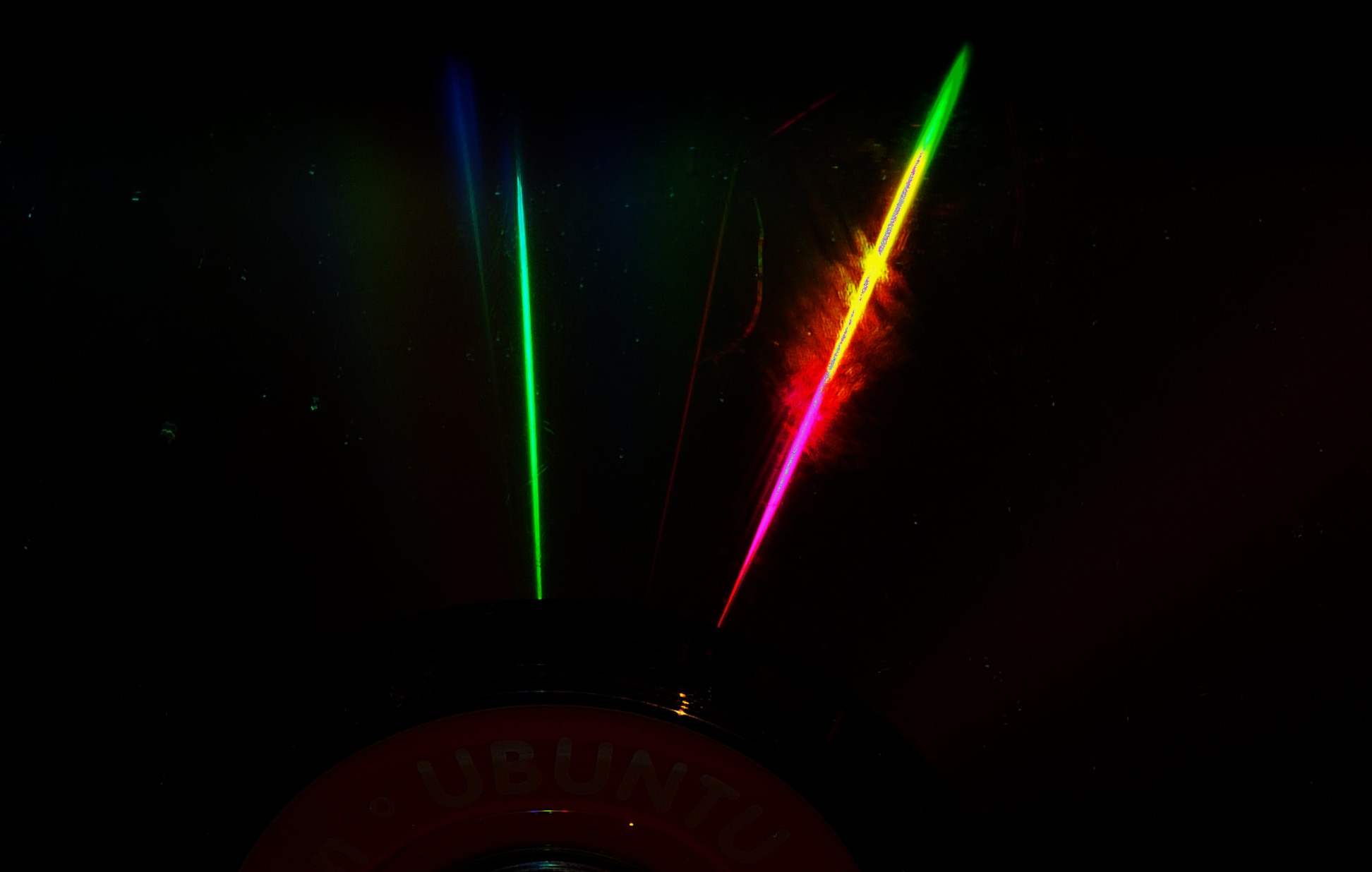
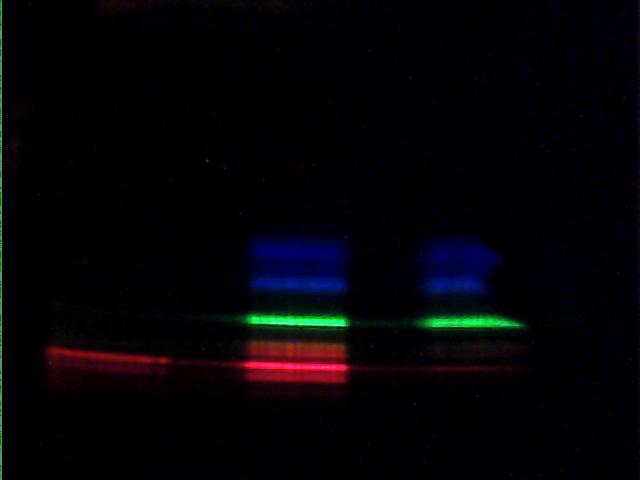
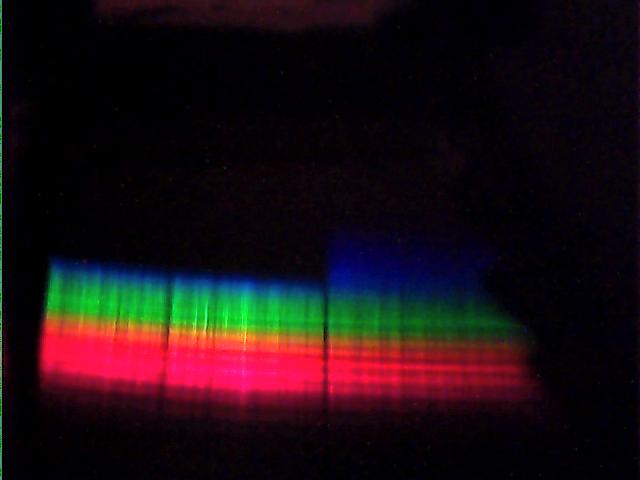
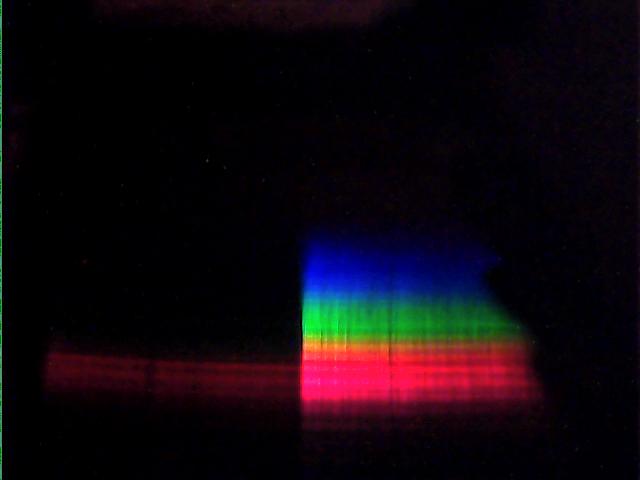
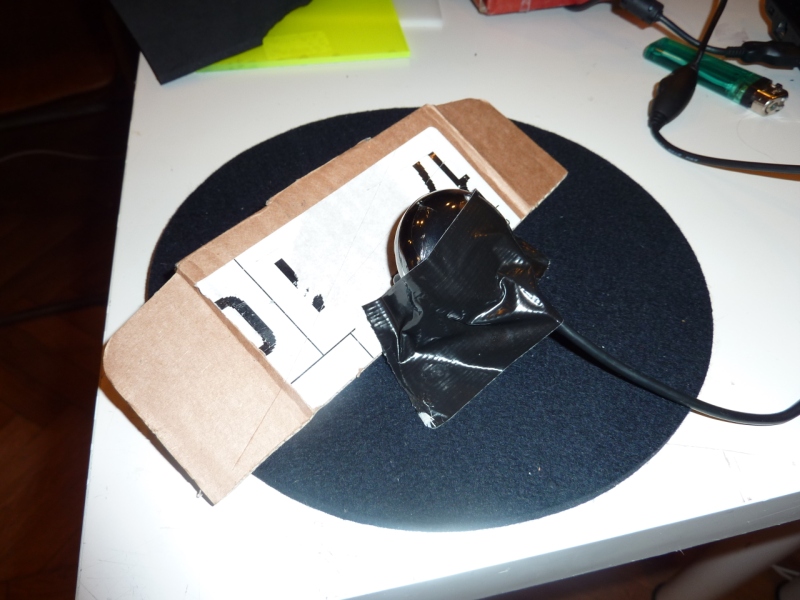
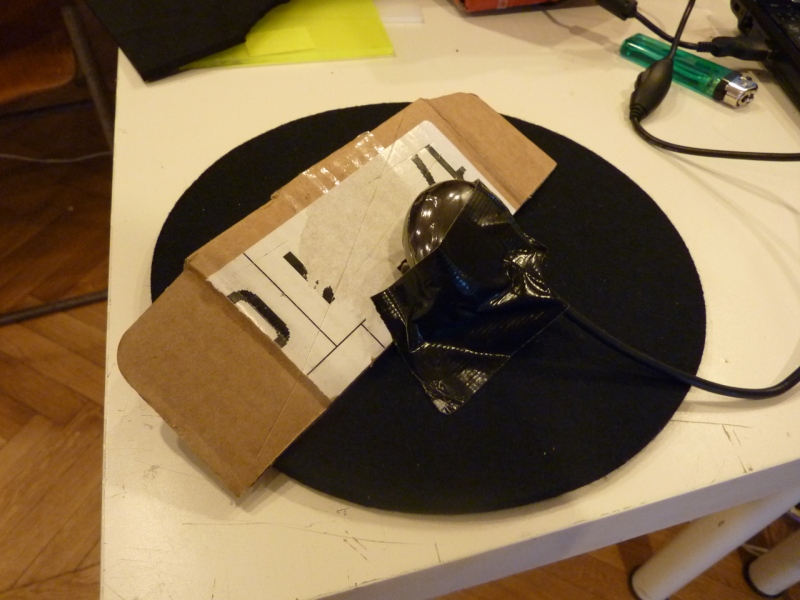
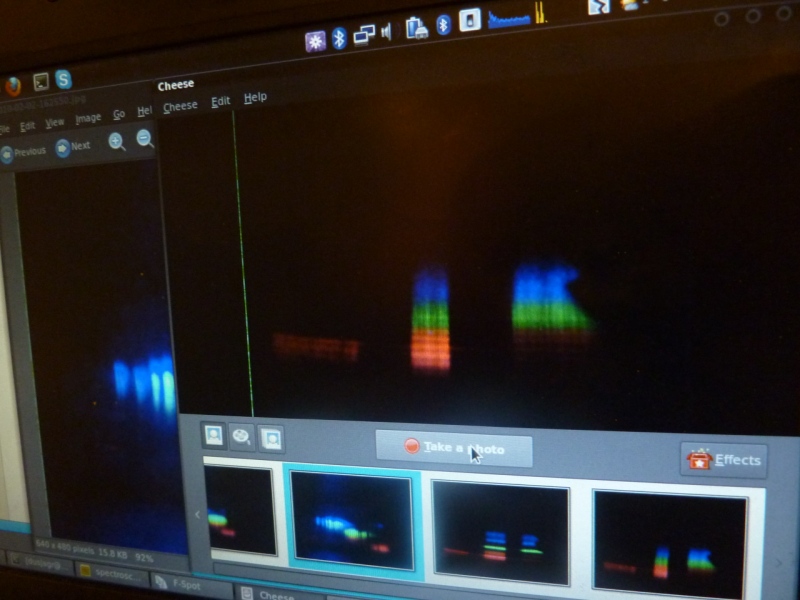
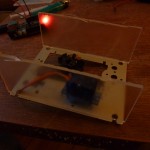
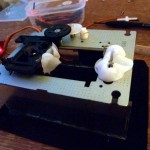
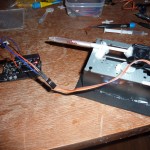
I continued on the hack of the optical mouse, first i installed an RGB-LED to be able to choose the color of the illumination. The using the blue LED i tried to detect fluorescence using a fluorescein solution. I got some signals, but still need to test the amount of reflected light and fluorescence. got some filters laying around somewhere... i could easily detect the loss of fluorescence, when following a tiny little drop that dried out, see image below.
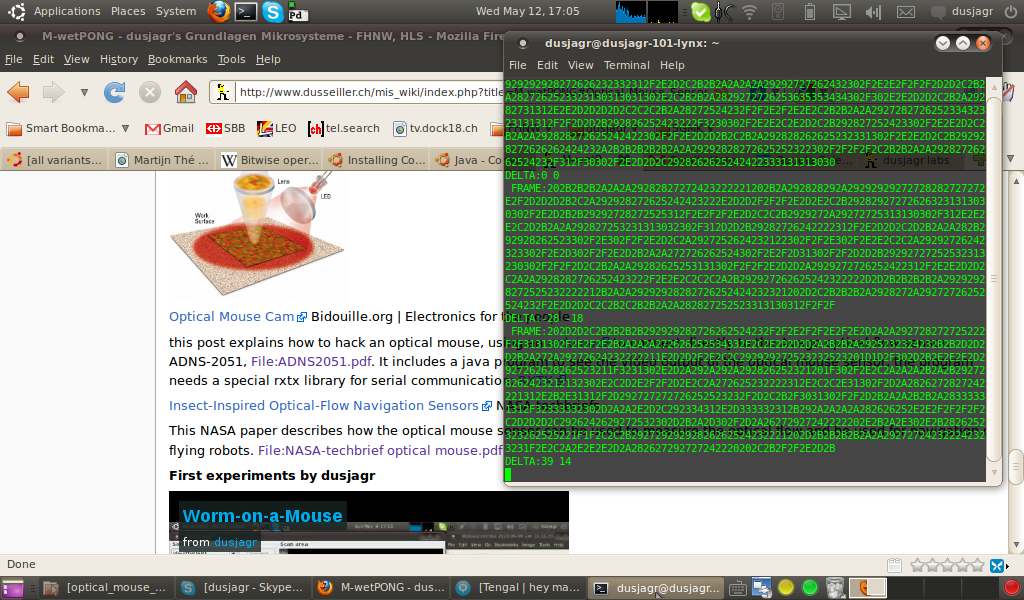
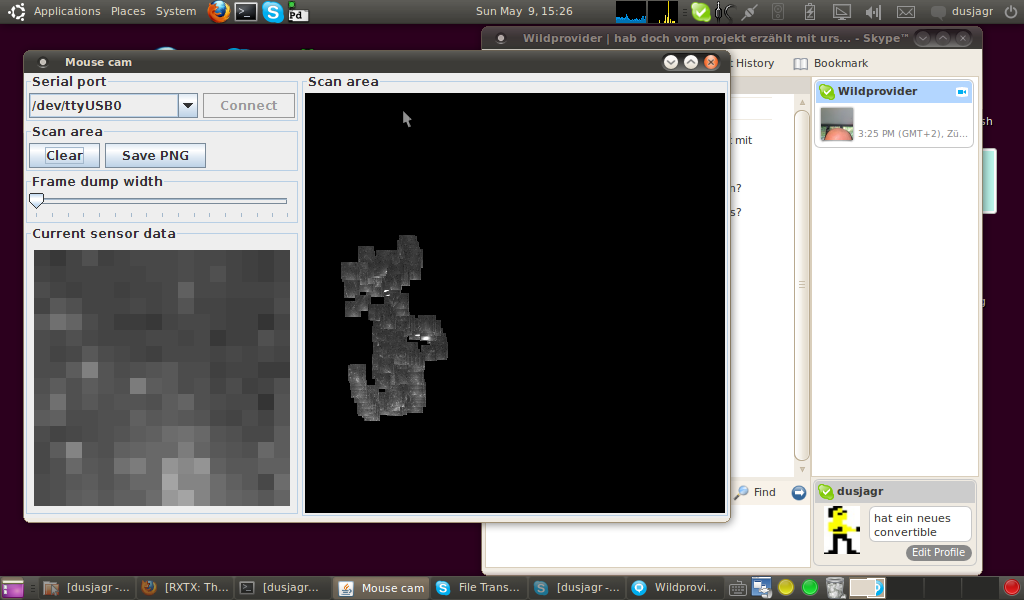
Furthermore I improved the code to read out the registers for the frame-grabbing. it seems there is a limit to at what speed i can dump all the pixels of the frame. But still i could improve it by reducing some of the delays down to 1 µsec. It lookes much smoother now, but haven't checked the worm yet.
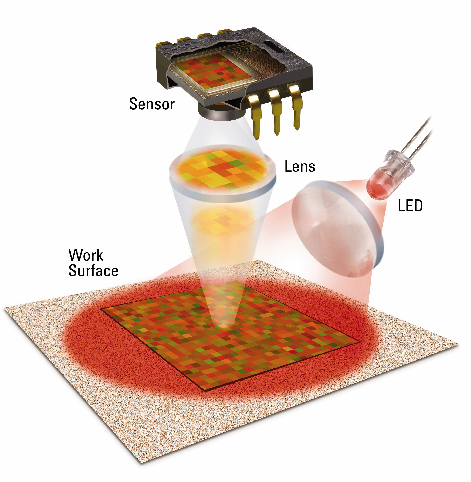
Also i hacked another chip, the Avago 2610, very similar, 18x18 pixel array, And looking at the datasheet I should be able to get a lot more data out, such as, maximum and average pixel intensity, shutter speed, info about focused image etc.
I am currently investigating to use the sensor of an optical mouse for various applications in microfluidics, nanosensing or motion detection of microorganisms. first results look really promising.
Thanks to some instructions and protocolls found on these sites: "How to connect an optical mouse to an arduino" by Martijn The and "Optical Mouse Cam" using an arduino and connect it to your PC, by Bidouille.org. And thanks to Gaudi for inspiring me for some worm-on-a-mouse hacking. Also there is some great documentation in the Avago Datasheets.
The video shows a screen-capture of how i recorder the motion of a nematode using a hacked cheap optical mouse, 16x16 pixel.
at the moment, the students at FHNW, Life science Technologies, are looking how to use the optical mouse sensor to detect flow speeds in microfluidics channels. more info can be found on my micro/nano lecture's wiki.
So first things to do: replace LED with some RGB or UV for fluorescence detection, code a more decent data visualization, add a speaker...
From the Datasheet
Notes:
The ADNS-2610 is designed for optimal performance when used with the HLMP-ED80-xx000 (red LED 639 nm). For use with other LED colors (i.e., blue, green), please consult factory. When using alternate LEDs, there may also be performance degradation and additional eye safety considerations.
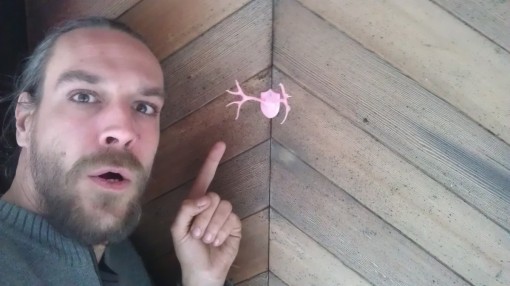 Welcome to Randen 2.0!
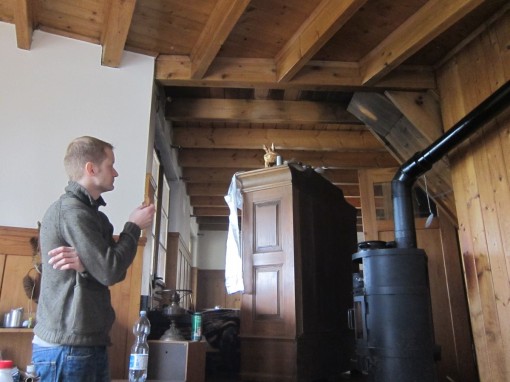 Die letzten paar Wochen hat sich der Rütelmaa üüübel in den Putzwahn reingesteigert, nen neuen Ofen installiert, Küche renoviert und alles gestrichen. Merci!
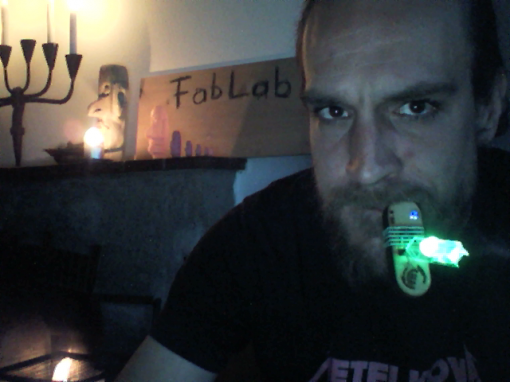 Währendessen habe ich mich vorallem im neuen FabLab - Underes Ätzisloo / Randen mit 3D-Printern, BabyGnusbuinos und Kafi-Schnapps rumgeschlagen habe, Psychobillies und anderen Plastik-Kram geprintet.